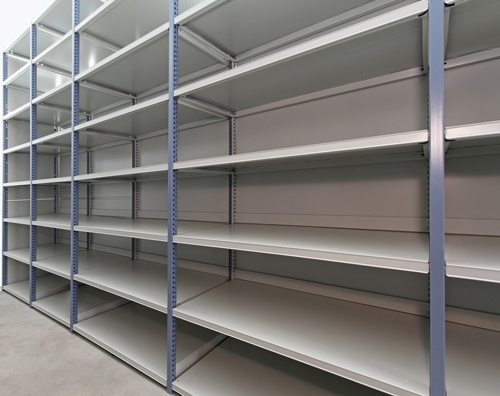
Top 5 Ways to Store Aluminum Parts to Prevent Corrosion
VIEW BLOG POST


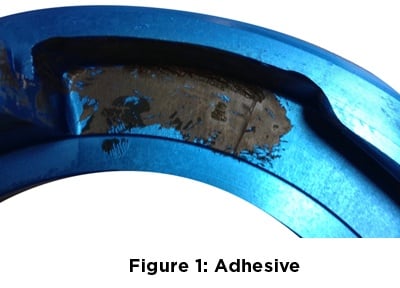
The Impact of Foreign Materials on Aluminum Parts before Anodizing
Although simple in principle, there is a lot of confusion over how aluminum parts need to arrive at the metal finisher so that they[...]
VIEW BLOG POST
The Validated Capabilities of MICRALOX™ Anodic Coating
Third-party test results have validated multiple sterilization capabilities of the revolutionary anodic coating, MICRALOX™. High-performance[...]
VIEW BLOG POST
Why We Need to Know About the Alloy and Its Temper When Anodizing Aluminum
With over 30 commonly available aluminum alloys, and a multitude of tempers for each alloy, this question frequently arises:[...]
VIEW BLOG POST
Challenges and Solutions for Aluminum Anodizes for Reprocessing Medical Devices
The FDA released the 2016 science priorities from the Center for Devices and Radiological Health (CDRH). The report[...]
VIEW BLOG POST
Partnering on Projects when Anodizing Aluminum
Recently, a customer asked about DCHN’s ability to fix minor defects on aluminum components of a common medical device after being returned from active[...]
VIEW BLOG POST
Differentiating Commodity from Specialty
Aluminum anodizing and IP (intellectual property) don’t seem to have much in common, at least at first glance. The finishing process for aluminum anodizing[...]
VIEW BLOG POST
Those Are Grain Boundaries—Part of the Material
Have you ever experienced the appearance of “raindrops,” “snowflakes,” or galvanized metal patterns in your anodized finish? If so, don’t shoot your[...]
VIEW BLOG POST
Aluminum Anodizing and Water Conservation Do Not Have to Be Incompatible
In my day, in metal finishing class 101, the first thing you were taught about aluminum anodizing was this: when you think you[...]
VIEW BLOG POST
“Can You Fix This?”
The real question here is: can we avoid “having to” fix this? We often get asked if we can fix problems such as stains, scratches, and blemishes on products we are anodizing.
As[...]
VIEW BLOG POST