Posted by
Jack Tetrault on September 8, 2017
Understanding the Chemistry and Options for Anodic Coating on Medical Devices
Before choosing a casting and anodic finish, it is important to understand some of the basic chemistry behind why some anodic coating options work better than others on medical devices. Knowing the reasons behind why challenges occur allows you to choose your aluminum material and finish more wisely.
Read More
Topics:
Aluminum Anodizing,
Aluminum Casting
Posted by
Jack Tetrault on January 13, 2017
Defective Material Report Process to Set Expectations
I often hear customers say that when they received their anodized aluminum parts back from their anodize vendor, they are surprised by scratches and dents, which they are THEN told were there on arrival. To maintain clarity throughout the production and deliver process, DCHN created a proactive process for the assessment and notification of such issues.
Read More
Topics:
Anodized Aluminum,
Anodizing Aluminum,
Anodizer
Posted by
Jack Tetrault on September 19, 2016
“Challenges & Solutions for Reusable Medical Devices Requiring Reprocessing”
Read More
Topics:
Anodized Aluminum,
Aluminum Anodizing,
FDA Regulations for Aluminum Anodizing
Posted by
Jack Tetrault on August 31, 2016
Is a Lighter Color Aluminum Hard Coat Thinner than a Darker One?
I have been asked this question often: “Is it always the case that a lighter color hard coat is less thick than a darker one?” While the answer is not simple, I usually respond by saying, “Maybe, but not necessarily.” To explain, let’s start with some basic information.
Read More
Topics:
Aluminum Anodizing,
Anodizing Aluminum,
hardcoat,
Anodic Hardcoat
Posted by
Jack Tetrault on July 15, 2016
Keep Your P.O. in the Passing Lane to Keep the Order Moving
Have you ever been at a red light waiting for the light to change … and when it finally does … you can’t move because the car in front does not move fast enough—holding up the entire line? We face a similar predicament in our own way when your purchase order arrives … we’re ready to go … and the P.O. does not have all the information on it we need to begin the project.
Read More
Topics:
Anodized Aluminum,
Aluminum Anodizing
Posted by
Jack Tetrault on July 1, 2016
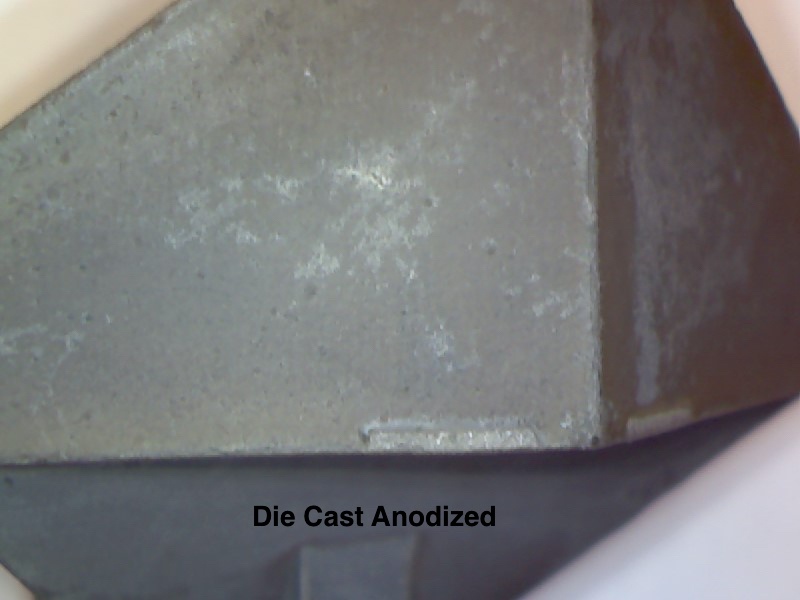
Up-Front Factors that Achieve a Fantastic Final Cast Aluminum Finish
Getting excellent results with hard coat and anodizing cast aluminum articles? “No way!” is a common, but mistaken response. After more than 40 years in the field, DCHN has successfully worked with many companies to achieve beautiful cast finishes—top-quality finishes that are achieved when anodizing cast aluminum because the final finish is the result of many important up-front decisions that eliminate many sources of poor quality.
Read More
Topics:
Anodizing cast aluminum,
cast aluminum
Posted by
Jack Tetrault on July 1, 2016
Top 5 Ways to Store Aluminum Parts to Prevent Corrosion
We realize that every facility has its own unique physical attributes and each organization operates with its own processes. Either of these variables can wreak havoc on or facilitate the proper care and storage of aluminum parts. Given that there are many possibilities that can impact the proper storage of aluminum parts (prior to and after anodizing aluminum), let’s talk about the top 5 best-care practices you can implement to prevent corrosion.
Read More
Topics:
Anodized Aluminum,
Aluminum Anodizing,
Proper Storage of Aluminum Parts
Posted by
Jack Tetrault on June 9, 2016
The Impact of Foreign Materials on Aluminum Parts before Anodizing
Although simple in principle, there is a lot of confusion over how aluminum parts need to arrive at the metal finisher so that they can be anodized. Any time a component part comes from a completed assembly that has been taken apart, there is a high risk that some other material will come along and interfere with the coating process.
Read More
Topics:
Anodized Aluminum,
Anodized Aluminum Finish Contamination
Posted by
Jack Tetrault on May 24, 2016
Why We Need to Know About the Alloy and Its Temper When Anodizing Aluminum
With over 30 commonly available aluminum alloys, and a multitude of tempers for each alloy, this question frequently arises: how important are the roles of alloy and temper in the aluminum anodizing process? The short answer is: VERY important. Let’s familiarize ourselves with some background information so we can answer the question in detail.
Read More
Topics:
Anodized Aluminum,
Aluminum Anodizing
Posted by
Jack Tetrault on May 18, 2016
Challenges and Solutions for Aluminum Anodizes for Reprocessing Medical Devices
The FDA released the 2016 science priorities from the Center for Devices and Radiological Health (CDRH).
Read More
Topics:
Aluminum Anodizing,
Aluminum Anodizing Medical Devices